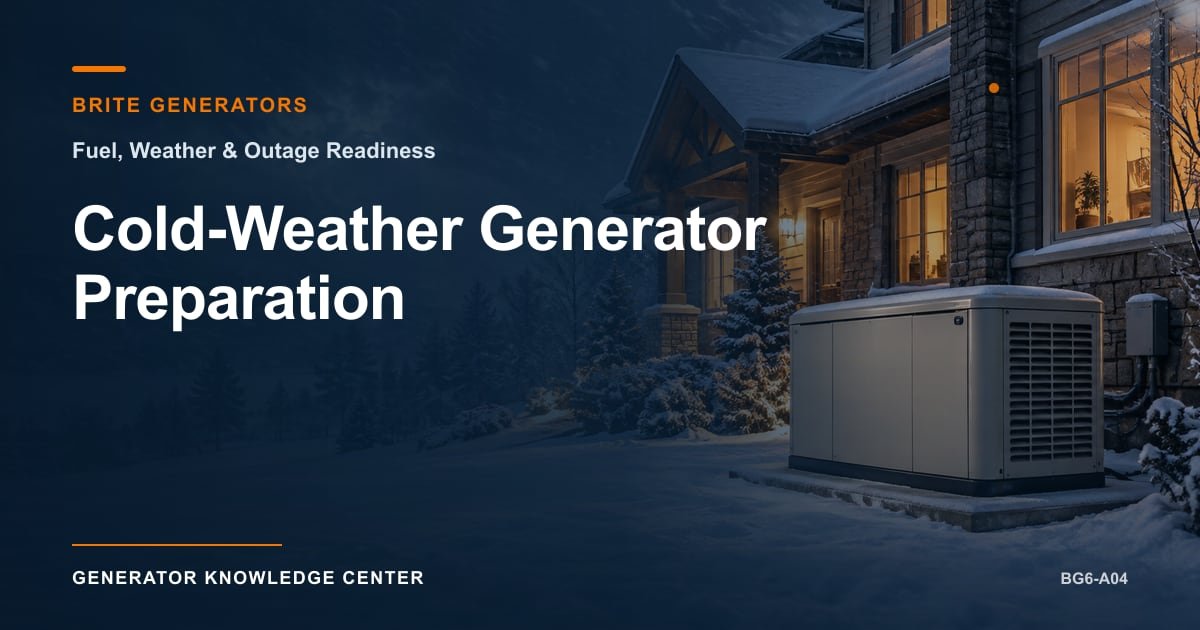
Fuel, Weather & Outage Readiness
Cold-Weather Generator Preparation
Prepare the specific generator you own for freezing conditions, with attention to approved heaters, fuel delivery, and snow clearance.
Read article

Brite Generators Articles
Clear, source-backed guidance for choosing, installing, using, maintaining, and troubleshooting backup power.
Prepare the specific generator you own for freezing conditions, with attention to approved heaters, fuel delivery, and snow clearance.
Read article →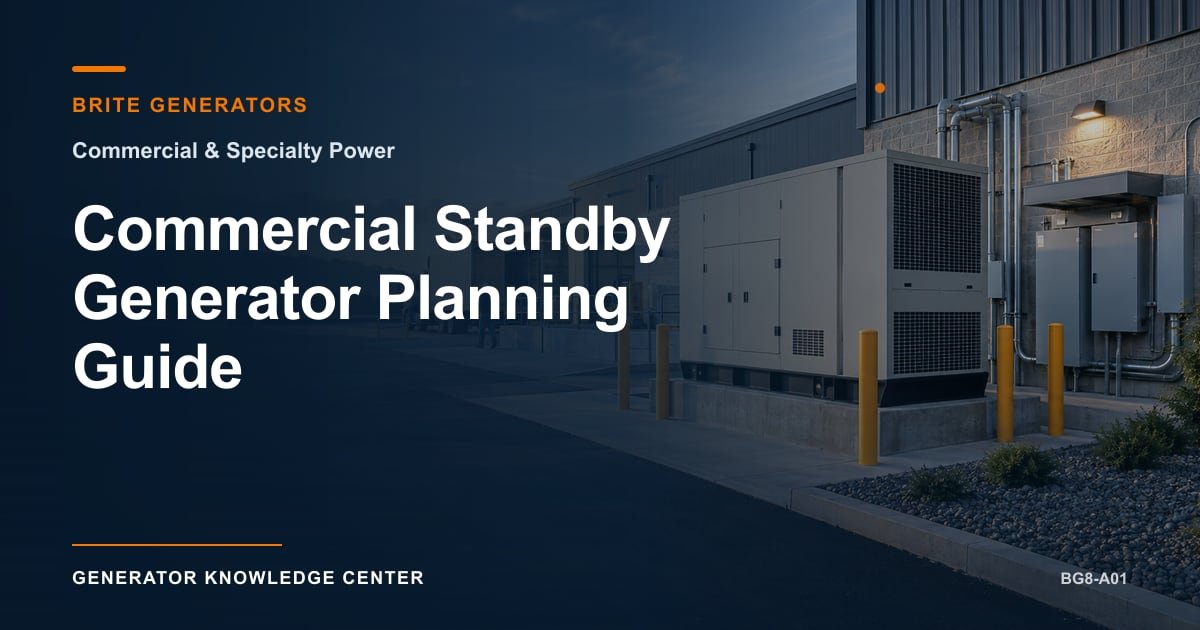
Build a backup plan around the work your business must keep doing, then turn those priorities into a clear equipment and installation scope.
Read article →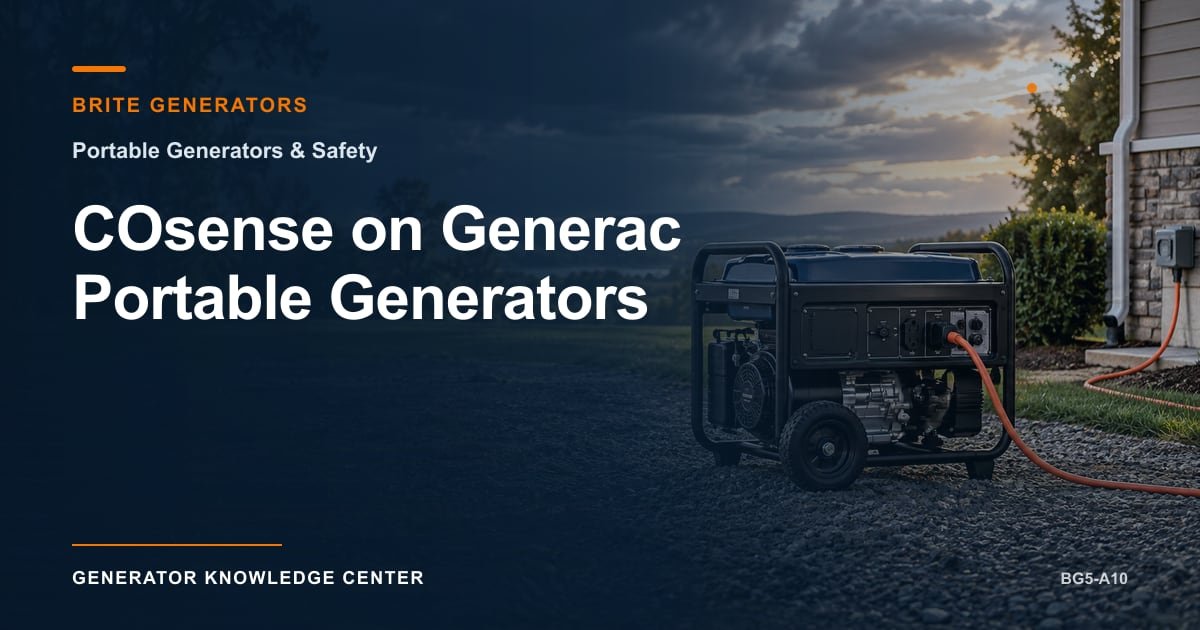
Understand what COsense monitors, what red and yellow indicators mean on the cited models, and why a shutdown calls for action.
Read article →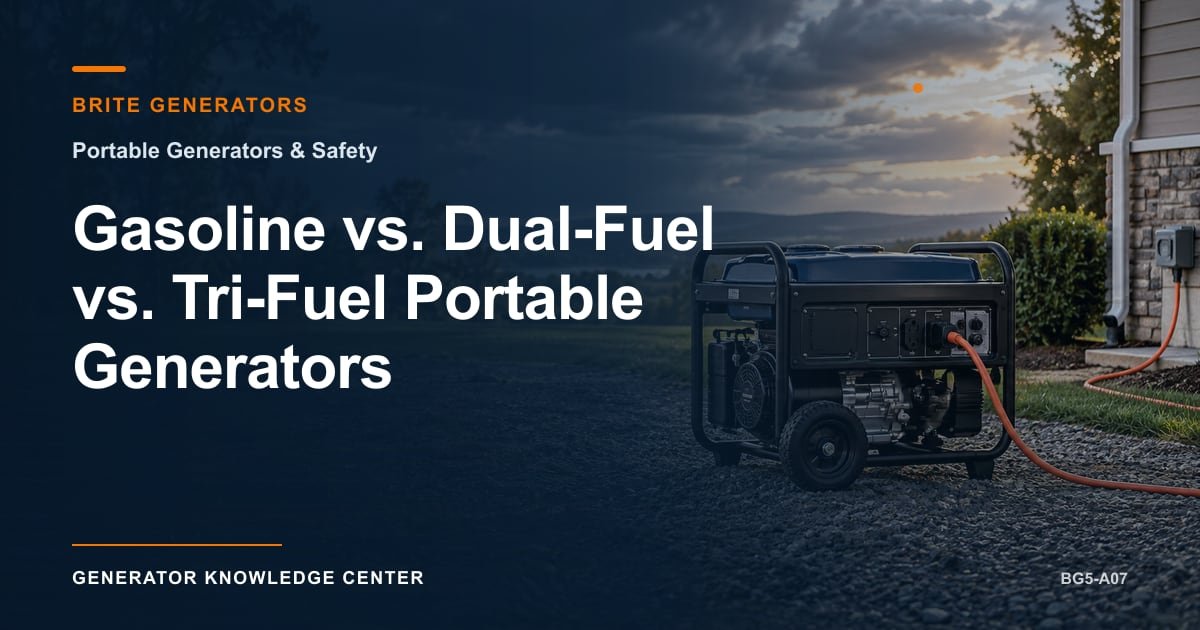
Compare fuel availability and published output on gasoline, propane, and natural gas using specific dual-fuel and tri-fuel models.
Read article →
Plan extended outage operation around fuel, required service stops, and safe access instead of a single promised runtime.
Read article →
Prepare for freezing rain that can interrupt power, delay fuel deliveries, and make outdoor generator checks unsafe.
Read article →
Prepare a safe fuel supply, track gasoline age, and plan shutdowns so refueling does not become an improvised outage task.
Read article →
Follow a clear order during an outage: check people and hazards, confirm backup coverage, manage loads, and track fuel and service needs.
Read article →
Set up backup power before severe weather, shelter during warnings, and check for damage before touching equipment afterward.
Read article →
Read the voltage and phase information that determines compatibility, with a worked example showing why kilowatts alone do not tell you current.
Read article →
Use a safe shutdown every 24 hours on covered air-cooled models, check oil and airflow, and track the 25-, 100-, 200-, and 400-hour limits.
Read article →
Use this preseason checklist to resolve known faults, confirm fuel and service readiness, and document what your backup system covers.
Read article →
Compare actual ratings, electrical configurations, maintenance needs, and outage duty before deciding which cooling system fits your business.
Read article →
Plan generator installation around approvals, equipment, fuel work, contractor availability, and the date you need tested backup power—not a universal sales season.
Read article →
Compare buying the equipment yourself with purchasing an installed package, including compatibility, delivery, installation acceptance, and support responsibilities.
Read article →
Map the house, barns, wells, and workshop separately, then prioritize the equipment that protects animals, water supply, and production.
Read article →
Compare generator financing by cash price, APR, fees, repayment schedule, and promotional conditions before choosing a monthly payment.
Read article →
Turn an equipment list into a useful sizing brief, and see why the running-load total is only one part of the answer.
Read article →