

A standby generator is just an engine. The Automatic Transfer Switch (ATS) is the intelligence that keeps your lights on. Here is exactly how it works.
Think of the Transfer Switch as a "Traffic Cop." It stands between the Utility Grid and your Generator. It has one job: Prevent the two power sources from meeting.
Voltage drops. The switch waits 2-5 seconds to ensure it's not just a flicker.
The switch sends a 12V DC signal. The generator cranks and warms up.
The contactor snaps from 'Utility' to 'Generator'. Your lights come back on.
Comparing Service-Rated vs. Non-Service Rated models.
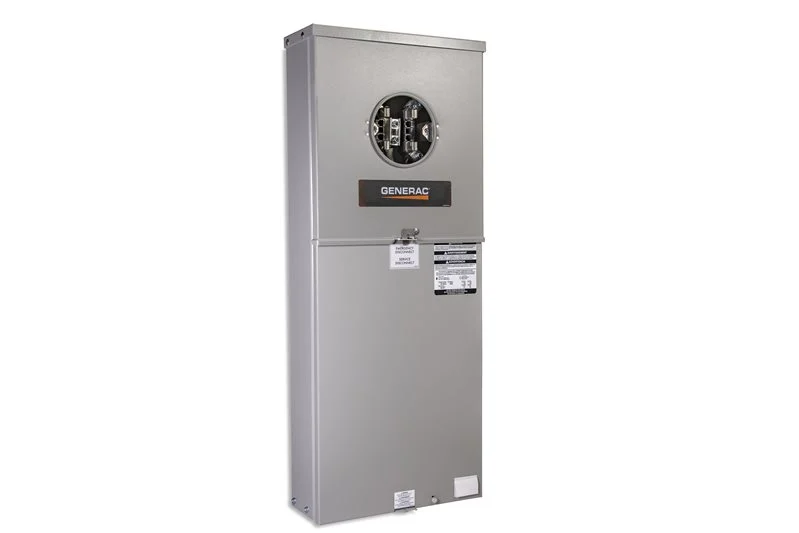
The "Main Disconnect." This switch installs immediately after your meter. It disconnects the entire house from the grid, allowing your generator to power everything.
View Specs →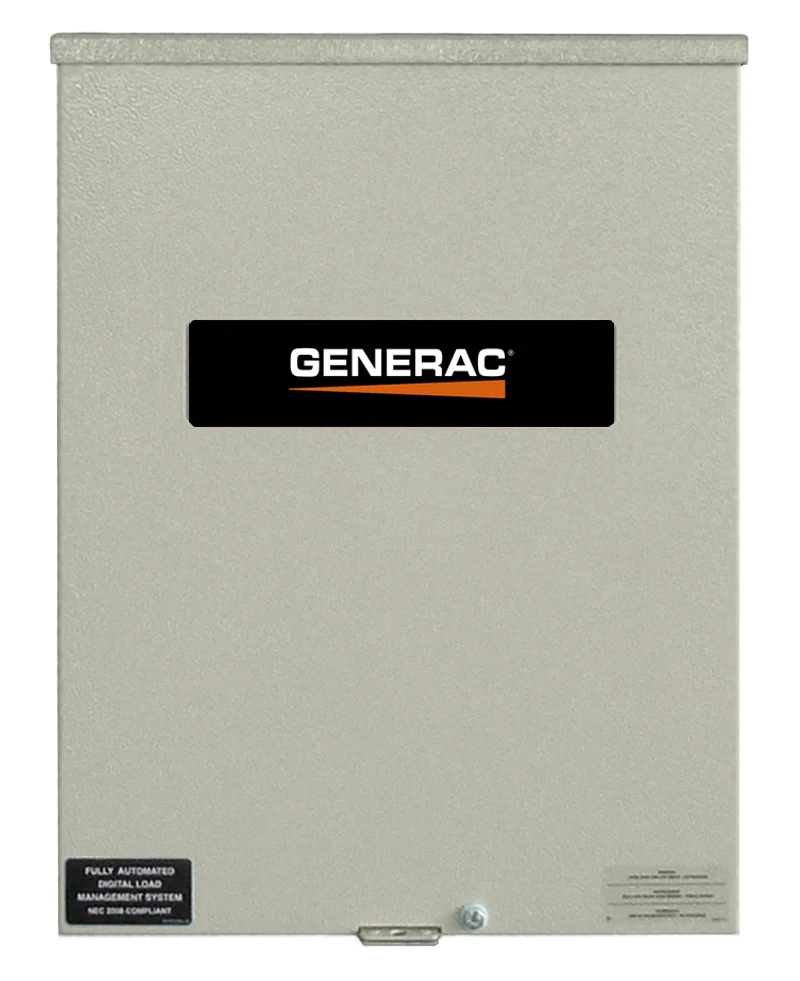
The "Sub-Panel" Solution. Used when you only want to backup specific circuits (Fridge, HVAC, Lights) or if you already have an external disconnect.
View Specs →*Smart switches shed non-essential loads (like Oven) to start A/C units.